Platform comparison
| Platform | YES odds | NO odds | Fee | KYC | Settlement | |
|---|---|---|---|---|---|---|
Polymarket (via Who Will Win 2026) Pick polygram.ink (preferred broker) |
12% | 88% | 0% (USDC on-chain) | No-KYC up to $1,500 | USDC, auto via UMA oracle | See live odds → |
Polymarket (direct) polymarket.com |
12% | 88% | 0% | Geo-blocked in US/UK/EU | USDC, on-chain | See live odds → |
Kalshi kalshi.com |
— | — | Up to 7% per trade | US-only, KYC required | USD | See live odds → |
Betfair Exchange betfair.com |
— | — | 2-5% commission | Full KYC from first trade | GBP / EUR | See live odds → |
Manifold Markets manifold.markets |
— | — | Play-money (mana) | None — play-money | Mana (no cash-out) | See live odds → |
Outcome probabilities
Current market-implied probability for each outcome, from the live order book.
| Outcome | Probability |
|---|---|
| December 31 | 12% |
| September 30 | 6% |
| August 31 | 3% |
| July 31 | 1% |
| April 30 | 0% |
| May 31 | 0% |
| June 30 | 0% |
Market context
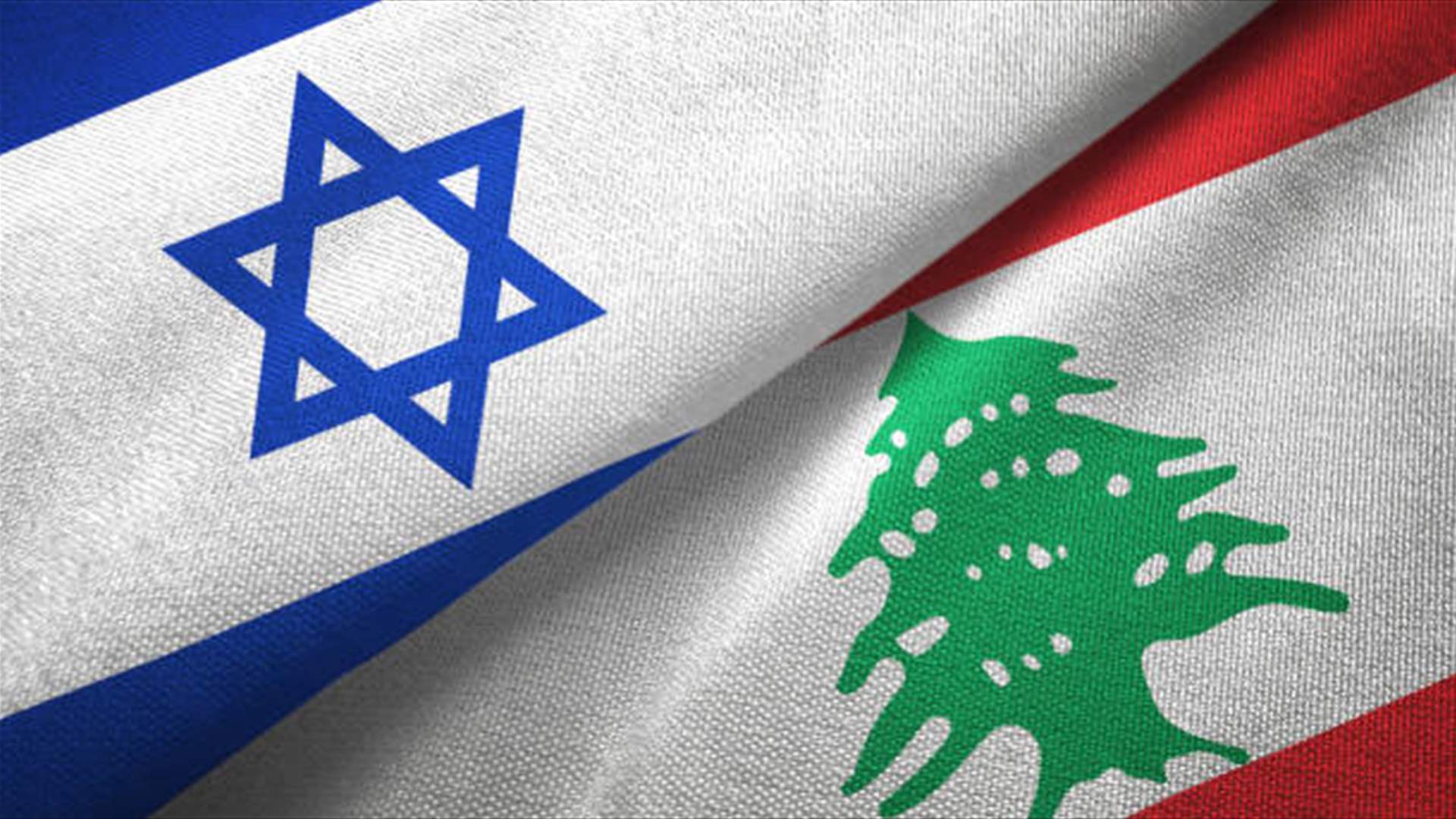
Israel’s ground forces remain entrenched in southern Lebanon, with no official announcement of a full withdrawal as of July 2026. The crowd-implied probability of a complete pullout by June 2026 sits at 0% YES, reflecting deep scepticism that Tel Aviv will abandon its current posture. Historically, Israel has withdrawn from Lebanon multiple times—most notably in 1985, when it reduced its footprint but retained a “Security Zone,” and again in 2000, when it fully left southern Lebanon after an 18-year occupation[2][4]. Yet each withdrawal was preceded by clear diplomatic shifts or ceasefire agreements, none of which are evident today. The 2006 conflict ended with a confirmed withdrawal in October 2006, verified by UNIFIL, but that followed intense international pressure and a UN-backed ceasefire[2]. Today, no such framework exists, and Hezbollah’s military presence remains robust, making a unilateral Israeli exit highly unlikely.
Traders should monitor three key catalysts: any official Israeli Defence Ministry announcement of withdrawal, shifts in UN-mediated ceasefire talks, and changes in Hezbollah’s operational tempo near the border. A recent Al Jazeera report notes Israel has invaded Lebanon six times in 48 years, underscoring the pattern of repeated incursions rather than sustained disengagement[6]. Without a formal peace treaty or ceasefire, the consensus view—that Israel will not withdraw—is well-founded. However, contrarian value may lie in betting against the 0% if unexpected diplomatic breakthroughs occur, particularly if US or EU pressure intensifies ahead of the settlement window. The favourite here is clearly the “No” outcome, with the underdog being a sudden, unannounced withdrawal. Value spots remain thin, but contrarian angles could emerge if geopolitical conditions shift dramatically in the next 12 months.
Methodology
This page is a comparison snapshot: one live quote, four reference venues with their key attributes, and a single execution path — every trade button routes to Who Will Win 2026, which mirrors the Polymarket order book directly.
Resolution & payout
At resolution the UMA oracle takes over: a proposer posts the outcome with a bond, any token holder can dispute within two hours. Without dispute the result is accepted and the smart contract distributes USDC instantly.
On Kalshi (CFTC-regulated) resolution runs through their in-house clearing engine in USD. Betfair Exchange settles after match end in the account's local currency. Manifold pays no cash — only its in-platform "mana" currency.
FAQ
- Where can I trade this market with the lowest fees?
- Polymarket is geo-blocked in the US/UK/EU. The easiest 0%-fee broker into the same order book is Who Will Win 2026. Kalshi charges up to 7% per trade; Betfair Exchange takes 2-5% commission on net winnings.
- Is this market available outside the US?
- Polymarket itself is geo-blocked in the US/UK/EU. Always check the legal status of prediction markets in your jurisdiction before trading.
- What does Polymarket cost to trade?
- Polymarket itself charges 0% — the only cost is the Polygon network fee, typically under $0.01 per transaction. Off-chain venues like Kalshi or Betfair charge 2-7% commission.
- Do I need to KYC for this market?
- On Polymarket directly, no — it's wallet-based. Intermediary brokers like Who Will Win 2026 trigger KYC only above $1,500 of lifetime trading volume; under that you trade pseudonymously with a single wallet address.
- How reliable are the quoted odds?
- The YES/NO percentages are the live mid-prices of the Polymarket order book. On deep markets they move every few seconds; on thinner ones you'll see short plateaus.
%22%2F%3E%3Cpath%20d%3D%22M%206%2066%20A%2026%2026%200%200%201%2058%2066%22%20fill%3D%22%23E6B98D%22%20opacity%3D%220.9%22%2F%3E%3Ccircle%20cx%3D%2232%22%20cy%3D%2226%22%20r%3D%2222%22%20fill%3D%22%23F5CBA7%22%2F%3E%3Cpolygon%20points%3D%2216%2C18%2020%2C4%2024%2C18%22%20fill%3D%22%23facc15%22%2F%3E%3Cpolygon%20points%3D%2224%2C18%2028%2C3%2032%2C18%22%20fill%3D%22%23facc15%22%2F%3E%3Cpolygon%20points%3D%2232%2C18%2036%2C3%2040%2C18%22%20fill%3D%22%23facc15%22%2F%3E%3Cpolygon%20points%3D%2240%2C18%2044%2C4%2048%2C18%22%20fill%3D%22%23facc15%22%2F%3E%3C%2Fsvg%3E) and
and%22%2F%3E%3Cpath%20d%3D%22M%206%2066%20A%2026%2026%200%200%201%2058%2066%22%20fill%3D%22%23E6B98D%22%20opacity%3D%220.9%22%2F%3E%3Ccircle%20cx%3D%2232%22%20cy%3D%2226%22%20r%3D%2222%22%20fill%3D%22%23F5CBA7%22%2F%3E%3Crect%20x%3D%2210%22%20y%3D%224%22%20width%3D%2244%22%20height%3D%2214%22%20rx%3D%227%22%20fill%3D%22%23facc15%22%20opacity%3D%220.9%22%2F%3E%3Crect%20x%3D%228%22%20%20y%3D%2218%22%20width%3D%228%22%20%20height%3D%2218%22%20rx%3D%224%22%20fill%3D%22%23facc15%22%20opacity%3D%220.7%22%2F%3E%3Crect%20x%3D%2248%22%20y%3D%2218%22%20width%3D%228%22%20%20height%3D%2218%22%20rx%3D%224%22%20fill%3D%22%23facc15%22%20opacity%3D%220.7%22%2F%3E%3C%2Fsvg%3E)
Trade Israel withdraws from Lebanon by 2026? on Who Will Win 2026
Live order book, 0% fees, USDC settlement in seconds.
Open live market →