Platform comparison
| Platform | YES odds | NO odds | Fee | KYC | Settlement | |
|---|---|---|---|---|---|---|
Who Will Win 2026 Pick polygram.ink |
17% | 83% | 0% (USDC on-chain) | No-KYC up to $1,500 | USDC, auto via UMA oracle | Open on Who Will Win 2026 → |
Polymarket polymarket.com |
17% | 83% | 0% | Geo-blocked in US/UK/EU | USDC, on-chain | Open on Who Will Win 2026 → |
Kalshi kalshi.com |
— | — | Up to 7% per trade | US-only, KYC required | USD | Open on Who Will Win 2026 → |
Betfair Exchange betfair.com |
— | — | 2-5% commission | Full KYC from first trade | GBP / EUR | Open on Who Will Win 2026 → |
Manifold Markets manifold.markets |
— | — | Play-money (mana) | None — play-money | Mana (no cash-out) | Open on Who Will Win 2026 → |
Live odds for Polymarket-based markets come from the Polygon order book. Non-Polymarket venues show attributes only; clicking any row opens the market on Who Will Win 2026.
Market context
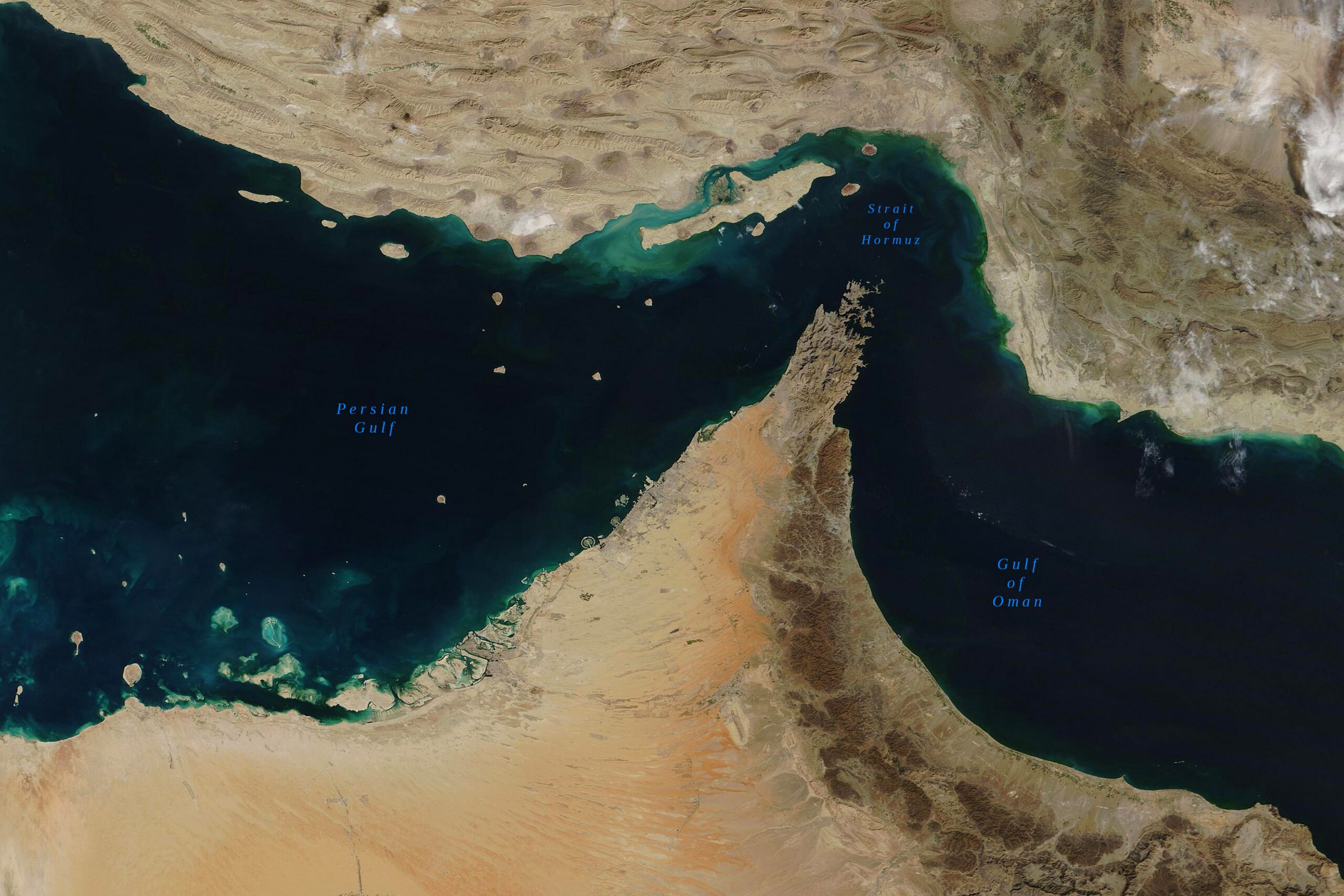
The Strait of Hormuz handles roughly one-third of global seaborne oil trade, making vessel transit volumes a sensitive barometer of regional stability and geopolitical tension. The market requires a 7-day moving average of 60 daily transit calls—container, tanker, bulk, and general cargo combined—to resolve affirmatively by mid-June 2026. The crowd assigns just 16% probability to normalisation, implying sustained disruption or a structural shift in routing patterns over the next eighteen months.
Historical precedent suggests the threshold is achievable but contingent on geopolitical de-escalation. Pre-2019 baseline transit calls averaged 80–90 daily; the 2022 Iran nuclear deal negotiations and subsequent volatility saw averages dip to 50–70 range depending on tensions and insurance costs. The 2024 Red Sea Houthi attacks diverted significant traffic around the Cape of Good Hope, depressing Hormuz transits to lows not seen since 2020. Recovery to 60 requires either a material reduction in regional risk premium or a reversion to pre-disruption shipping patterns—neither guaranteed within the settlement window.
Traders should monitor three catalysts: formal ceasefire agreements in the Red Sea or broader Middle East, shifts in Iranian sanctions policy following US election cycles, and Lloyd's List or Refinitiv announcements on insurance premiums for Hormuz passage. Recent reporting from S&P Global Platts (January 2025) noted that even modest de-escalation in Houthi attacks has begun nudging some tankers back toward the strait. However, the 16% probability reflects consensus scepticism that normalisation—not merely modest recovery—occurs by June. Value may exist for contrarian traders if geopolitical risk recedes faster than markets price.
Methodology
This page reviews Strait of Hormuz traffic returns to normal by June 15? across five venues. We show live odds for Polymarket-based markets (sourced from the Polygon order book); for other venues we list platform attributes, since the comparable contracts are not exposed via a public API on every venue. Every CTA points at Who Will Win 2026 — the application we operate, where you trade directly against the Polymarket order book at 0% fees.
Resolution & payout
Polymarket-based markets settle through the UMA Optimistic Oracle on Polygon. A proposer submits the outcome, a two-hour challenge window opens, and unchallenged proposals finalise the resolution. Payouts settle automatically in USDC the moment the result is final — no bookmaker, no delay.
Kalshi-based markets settle in USD via the CFTC-regulated clearinghouse. Betfair Exchange settles in GBP/EUR net of commission. Manifold is play-money and does not pay out real funds.
FAQ
- Where can I trade this market with the lowest fees?
- On Who Will Win 2026, which mirrors the Polymarket order book at 0% fees. Kalshi charges up to 7% per trade; Betfair Exchange takes 2-5% commission on net winnings.
- Is this market available outside the US?
- Who Will Win 2026 is available in most jurisdictions where Polymarket isn't directly accessible. Polymarket itself is geo-blocked in the US/UK/EU. Always check local regulations.
- What's the difference between YES and NO shares?
- A YES share pays $1.00 if the event happens, $0 otherwise. A NO share pays $1.00 if the event doesn't happen. The market price between 0¢ and 100¢ is the implied probability.
- What does it cost to trade on Who Will Win 2026?
- Zero. Who Will Win 2026 routes every order to the live Polymarket order book; the only cost is the Polygon network fee, typically under $0.01 per transaction.
- How fast are USDC deposits?
- Polygon credits deposits after 12 confirmations — usually under 30 seconds. Withdrawals follow the same path and land back in your wallet within minutes.
%22%2F%3E%3Cpath%20d%3D%22M%206%2066%20A%2026%2026%200%200%201%2058%2066%22%20fill%3D%22%23E6B98D%22%20opacity%3D%220.9%22%2F%3E%3Ccircle%20cx%3D%2232%22%20cy%3D%2226%22%20r%3D%2222%22%20fill%3D%22%23F5CBA7%22%2F%3E%3Cpolygon%20points%3D%2216%2C18%2020%2C4%2024%2C18%22%20fill%3D%22%23facc15%22%2F%3E%3Cpolygon%20points%3D%2224%2C18%2028%2C3%2032%2C18%22%20fill%3D%22%23facc15%22%2F%3E%3Cpolygon%20points%3D%2232%2C18%2036%2C3%2040%2C18%22%20fill%3D%22%23facc15%22%2F%3E%3Cpolygon%20points%3D%2240%2C18%2044%2C4%2048%2C18%22%20fill%3D%22%23facc15%22%2F%3E%3C%2Fsvg%3E) and
and%22%2F%3E%3Cpath%20d%3D%22M%206%2066%20A%2026%2026%200%200%201%2058%2066%22%20fill%3D%22%23E6B98D%22%20opacity%3D%220.9%22%2F%3E%3Ccircle%20cx%3D%2232%22%20cy%3D%2226%22%20r%3D%2222%22%20fill%3D%22%23F5CBA7%22%2F%3E%3Crect%20x%3D%2210%22%20y%3D%224%22%20width%3D%2244%22%20height%3D%2214%22%20rx%3D%227%22%20fill%3D%22%23facc15%22%20opacity%3D%220.9%22%2F%3E%3Crect%20x%3D%228%22%20%20y%3D%2218%22%20width%3D%228%22%20%20height%3D%2218%22%20rx%3D%224%22%20fill%3D%22%23facc15%22%20opacity%3D%220.7%22%2F%3E%3Crect%20x%3D%2248%22%20y%3D%2218%22%20width%3D%228%22%20%20height%3D%2218%22%20rx%3D%224%22%20fill%3D%22%23facc15%22%20opacity%3D%220.7%22%2F%3E%3C%2Fsvg%3E)
Trade Strait of Hormuz traffic returns to normal by June 15? on Who Will Win 2026
Live order book, 0% fees, USDC settlement in seconds.
Trade on Who Will Win 2026 →